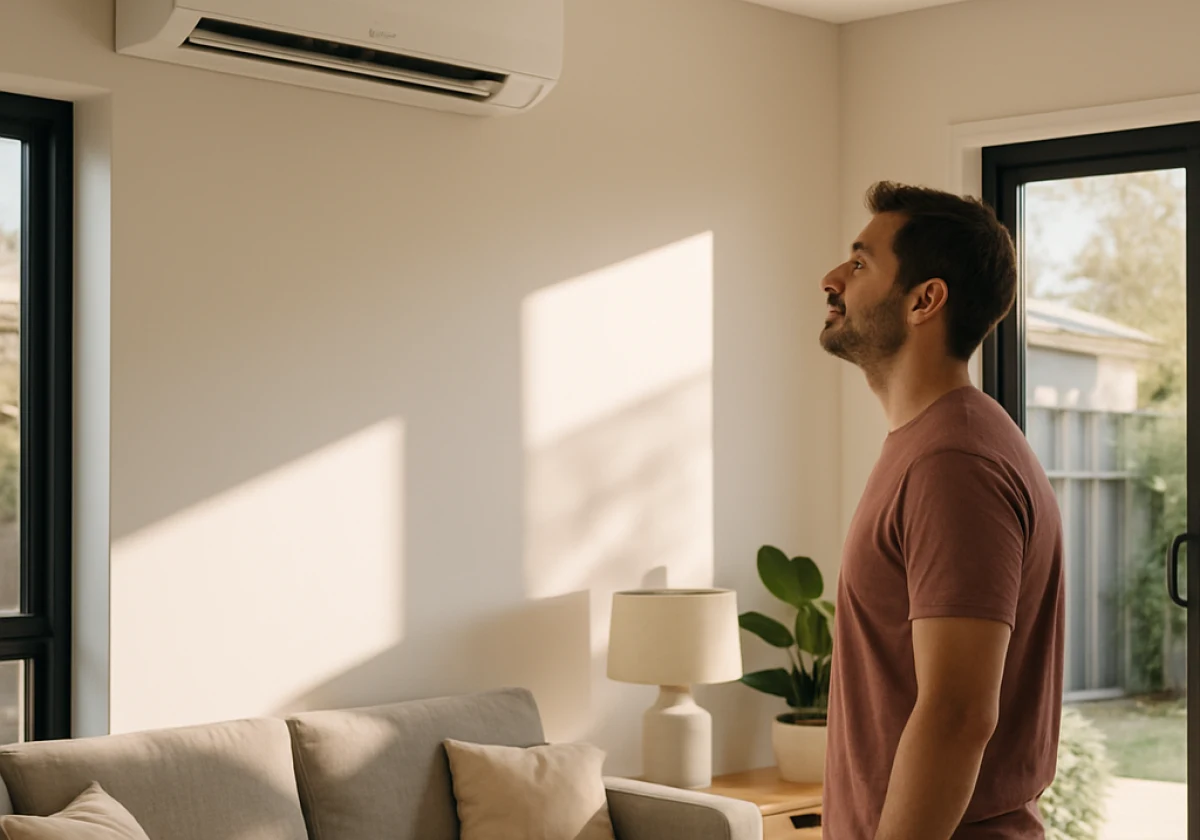
Reverse cycle air conditioners heat and cool your home, while cooling-only models provide cooling during warmer months. The main difference is whether you need one unit to handle both seasons or only keep your home cool in summer.
That choice can also affect your overall costs. A cooling-only unit may have a lower purchase price, but you’ll need a separate heater when winter arrives. Gtallen often hears from homeowners who discover this after the weather turns cold.
When comparing a reverse cycle vs cooling-only air conditioner, consider the purchase price, running costs and your local climate. This guide covers all three. Your last power bill is the place to start.
Reverse Cycle vs Cooling Only Air Conditioner: A Review of Home Cooling Systems Basics

Plenty of Australian homeowners find out their new split system can’t heat only after the first cold snap. Both home cooling systems share the same outdoor box and the same refrigerant lines, so showroom labels rarely spell the gap out.
A quick review of what each one does, and where the official numbers live, makes that gap obvious.
How Reverse Cycle Air Conditioners Heat and Cool Your Home
Reverse cycle air conditioners move heat rather than generate it. In summer, they remove heat from your home, while in winter, they bring outdoor heat inside to warm your rooms.
Because they move existing heat, they use less electricity than heaters that generate heat directly. A reverse cycle unit can produce around 3.5 to 4.5 units of heat for every unit of electricity it uses.
This efficiency makes reverse cycle air conditioners a practical heating option in colder cities like Melbourne and Canberra. Homeowners can use them to heat their rooms throughout winter without relying as heavily on gas ducted heating.
What Cooling-Only Air Conditioners Are Designed to Do
Cooling-only air conditioners remove heat and humidity from a room and release them outside. However, they only provide cooling, so you’ll need a separate heater if you want to warm your home in winter.
Because cooling-only models lack the reversing valve used to switch between heating and cooling, they cost around $200 to $500 less than a reverse cycle 2.5 kW split system. This lower purchase price can make them a practical option in warmer cities like Darwin and Brisbane, where heating is rarely needed.
For a bedroom or home office that mainly needs cooling in summer, paying extra for a heating function may not be worthwhile.
Where to Download Energy Rating Information on an Energy Efficient AC
The Australian Government’s Energy Rating website lists tested air conditioner models, helping you compare energy efficiency before you buy. Once you’ve shortlisted a few options, download their reports to compare performance across reverse cycle and cooling-only models.
Star ratings are a useful starting point, but they don’t tell you everything about running costs. The website also provides annual electricity use estimates for three climate zones, so you can compare how much power each model may use in your area.
Your final choice may also depend on available rebates. State schemes reduce the upfront cost of an air conditioner, but eligibility rules and rebate amounts can change. Check your state government’s latest guidelines before buying to see if your chosen model qualifies.
Which Costs Less to Run in Australian Homes, Reverse Cycle or Cooling Only Air Conditioners?

Reverse cycle air conditioners can cost less to run over the year because they provide both heating and cooling. Cooling-only models may have a slight edge during summer, but the overall cost depends on how often you use each system throughout the year.
Heating is where reverse cycle units offer the most savings. For example, a 4 kW unit with a coefficient of performance (COP) of 4.0 uses about 1 kW of electricity to produce 4 kW of heat. At around 33 cents per kWh on current retail electricity prices, that costs about 33 cents an hour. A plug-in electric heater producing similar heat can cost around $1.30 an hour. Over a Hobart winter, the difference can add up to hundreds of dollars.
During summer, however, the gap is much smaller. Cooling-only models may use slightly less electricity because their systems are designed specifically for cooling. For models with similar star ratings, the running cost difference is often around 2 to 5 per cent. Unless you use your air conditioner for long periods, those savings may be relatively small.
Your total running costs also depend on how often you use the system. In our experience, some reverse cycle units in Sydney run for more than 2,000 hours a year, while nearby cooling-only units may run for around 900 hours.
This difference in usage helps explain why a reverse cycle model can offer better value over the year, especially in homes that need regular winter heating.
Upfront Costs: What Australian Air Conditioning Price Reports Show for Reverse Cycle and Cooling Only Air Conditioners

Running costs are only half the picture. Upfront, a cooling-only air conditioner can cost less, while installed price reports from Australian suppliers keep the gap within a narrow band. Figures below sit before any state rebate applies.
| Installed size | Reverse cycle air conditioners | Cooling only air conditioners |
|---|---|---|
| 2.5 kW split system | $1,900 to $2,400 | $1,500 to $1,900 |
| 7.1 kW split system | $3,200 to $4,100 | $2,700 to $3,400 |
| Ducted, four bedrooms | $11,000 to $15,000 | $9,500 to $12,500 |
The price difference depends partly on how straightforward the installation is. These estimates assume a single-storey home with the indoor and outdoor units close together. If the installer needs to run longer pipes, expect to pay an extra $300 to $600.
Your home and climate will help determine if those upfront savings are worthwhile. For example, a rental property in Cairns may only need summer cooling, which makes a cooling-only unit a practical option. In colder areas, the extra cost of a reverse cycle model may be worth paying for the heating function.
Using Energy Publications to Match Reverse Cycle and Cooling Only Air Conditioners to Your Climate
Darwin households and Hobart households are shopping for completely different weather problems. Energy rating information for your climate zone usually confirms what you already suspect about your worst month. Run your postcode past the patterns below.
- Hot and Humid North: Darwin’s long cooling season means a cooling-only air conditioner may cover most household needs. A reverse cycle model also provides heating during occasional cold spells.
- Cold Winter South: With much colder winters in Hobart, reverse cycle air conditioning can handle summer cooling and winter warmth. A cooling-only unit requires a separate heater when temperatures drop.
- Mixed Coastal Climates: Sydney’s warm summers and cool winters make reverse cycle air conditioning useful throughout the year. Choosing a cooling-only model may save money upfront, but you’ll still need another way to heat your home.
- Renters and Second Rooms: A study or spare room used year-round can benefit from reverse cycle air conditioning in every season. For rooms that only need cooling in summer, a portable cooling-only unit may be the cheaper option.
These differences show why your winter heating needs deserve as much attention as summer cooling. Before requesting quotes, consider how many weeks you’ll need extra warmth and compare the cost of a reverse cycle unit with the cost of buying and running a separate heater.
Follow Us for More Home Cooling Advice
Heating is the main difference between reverse cycle and cooling-only air conditioners, and it affects both the purchase price and yearly running costs. Your choice depends on how often your home needs heating during winter.
If you need heating for more than six weeks a year, a reverse cycle air conditioner may be worth the extra cost. However, if you already have a separate heater, a cooling-only model can handle summer for less.
Gtallen sizes and installs both systems for Australian homes, with warranty-backed workmanship and a free site visit. Contact us to book yours, and follow us on social media for seasonal maintenance advice.

Recent Posts
Reverse Cycle or Cooling Only AC: What Is the Difference Between These Systems?
Reverse cycle air conditioners heat and cool your home, while …Read More »
Why Air Conditioner Placement Changes Comfort More Than Capacity
You’ve done the research, compared kW ratings, and picked an …Read More »
What Happens During a Professional Air Conditioning Site Inspection?
A professional air conditioning inspection checks your ceiling space, electrical …Read More »
How Home Renovations Can Affect Your Existing Air Conditioning System
Home renovations add floor space, remove walls, and change insulation …Read More »
Why Ducted Air Conditioning Remains Popular in Modern Homes
Ducted air conditioning remains popular in modern homes because it …Read More »
