
Picking the wrong air conditioning system is a costly mistake that homeowners and business owners make. Most people grab something that looks right and hope for the best. Unfortunately, the bill comes later.
The truth is, the type of property you own makes a huge difference. For example, a split system that works perfectly in a two-bedroom Chermside apartment will struggle badly in a large North Lakes family home.
In this article, we’ll explain the main air conditioning system types and how to choose the right size for your home or business. And, we’ll also cover what to prepare before installation and why Brisbane’s climate should influence your decision. Let’s get into it.
Air Conditioning Systems Explained: What You Need to Know Before You Buy
Most people pick an air conditioner based on price alone. That’s where the trouble starts. Cooling capacity, installation type, and your property’s layout all determine which system will perform well.
If you get any one of those wrong, you can be out of pocket fast. Understanding these basics can save you from these mistakes.
Split Systems VS Ducted Air Conditioning: Which One Fits Your Home?
A split system is a wall-mounted unit that cools one room or zone at a time and has a lower upfront cost. On the other hand, a ducted system runs through ceiling vents and ducts to cool the entire property from one controller (ducted looks cleaner too, no wall units cluttering every room).
The right choice starts with knowing the difference between these two systems. Here is a quick look at how they compare:
| Feature | Split System | Ducted System |
| Best for | Apartments, small homes | Large homes, whole-house cooling |
| Upfront cost | Lower | Higher |
| Roof cavity needed | No | Yes |
| Insulation impact | Minimal | Significant |
| Control | Per room | Whole home or zoned |
Long story short, if you are cooling one or two rooms, a split system does the job well. For whole-house comfort, ducted is the reliable call.
Heat Pumps and How They Handle Both Heating and Cooling

A heat pump is a reverse-cycle system that heats and cools your home using a single unit. So, you don’t need separate appliances for summer and winter. It pulls heat from the outside air and moves it in or out depending on the season.
Most modern split systems in Australia are reverse-cycle. That means they double as heaters without needing a separate heating system. And the refrigerant inside the unit is what makes switching between heating and cooling possible.
Brisbane winters are mild, sure, but those July mornings still catch you off guard. Having a reverse-cycle means you are covered year-round, without the extra cost of a standalone heater. That way, you use up to 50% less electricity than resistive heaters.
Residential HVAC: Choosing the Right Air Conditioner for Your Home
Every home is different. The number of people living there, the layout, and how the rooms sit all change what kind of air conditioner works. A poorly sized system will either struggle to cool the space or wear out sooner than expected.
The best part about getting your residential system right is that you save money on power bills for years. So before you start comparing brands and warranties, let’s work out what size and type your home needs.
Small Homes and Apartments: What Size Air Conditioner Do You Really Need?
Most small homes and apartments need between 2.5kW and 5kW depending on floor space and ceiling height. The basic sizing rule is 0.15kW to 0.16kW per square metre of floor space. So naturally, a 20 square metre room lands around 3kW as a starting point.
From there, ceiling height, insulation quality, and window direction all shift that figure up or down (a west-facing bedroom with single-glazed windows needs more cooling than the numbers suggest).
For the best results, an energy-efficient indoor unit that matches your room size will keep energy use low without sacrificing comfort. Get the size right from the start, and your system runs efficiently without overworking itself.
Large Family Homes: Can One System Cool the Whole House?
Homes over 200 square metres generally need a ducted system with zoning or multiple split systems placed across key living spaces. Zoning lets you cool only the areas you are using, reducing wasted energy.
And that is before you factor in a full house of people cooking, watching telly, and running hot showers all at once. An undersized unit in a large home will circulate warm air rather than cool it and wear out well before its time.
Commercial Air Conditioning: What Works for Shops, Offices, and Warehouses

Commercial spaces require air conditioning systems that can handle continuous, heavy use. Residential units are not designed for that workload.
From our experience across Brisbane businesses, the most common mistakes come from using residential systems in commercial spaces. Here is what actually works for commercial:
Office Buildings and Retail Spaces: Getting the Airflow Right
Offices need consistent temperature control across open floor plans, which is why multi-head split systems or cassette units work well here. Cassette units sit in the ceiling and push cool air in four directions, which makes them a solid pick for open retail floors.
Commercial systems often run for long hours every day. So, choose equipment built for continuous operation to reduce breakdowns.
That said, poor ventilation in a commercial building affects air quality fast. Getting the indoor air and refrigeration load right means your system runs efficiently without constant servicing.
Warehouses and Industrial Sites: Why Standard Cooling Solutions Fall Short
Standard split systems are not built for warehouses. High ceilings and large open spaces make them struggle, leading to poor cooling and a much shorter lifespan.
Evaporative cooling and high-capacity commercial ducted systems are far better suited to industrial spaces. They distribute air evenly across large areas without overworking the equipment.
Ventilation is just as important as cooling in a warehouse. Heat from machinery and stored goods builds up fast. So, proper airflow and regular maintenance are essential for reliable performance.
Air Conditioning Installation: What to Sort Out Before the Installer Arrives
Many people assume everything is ready until installation day. Then they discover the switchboard cannot handle the load, delaying the job by days. Before ordering your system, check your electrical capacity, wall space, and outdoor unit location.
A little preparation before the installer arrives can prevent costly surprises on the installation day.
Hot Water and Electrical Load: What Your Property Needs to Handle First

Air conditioning systems draw significant power, and older Brisbane properties often run into trouble here. So, check your electrical load early to keep the installation on schedule and avoid last-minute switchboard upgrades.
With that in mind, work through these checks before your installer arrives:
- Switchboard Capacity: Confirm your switchboard can handle the additional electrical load the new system will draw. Older boards often need an upgrade before any installation can go ahead.
- Shared Circuits: Your hot water system, running on the same circuit as the air conditioner, can cause tripping issues down the line. Getting these separated early prevents headaches once the system is up and running.
- Older Wiring: If your home is over 20 years old, a licensed electrician should assess the wiring before install day. Outdated wiring can create safety risks that no amount of a new system can fix on its own.
- Outdoor Unit Placement: Double-check that the planned outdoor unit location does not conflict with existing gas or electrical lines. A small oversight here can protect you from delays that push the whole job back by days.
Getting these sorted early means your installer walks in and gets straight to work instead of dealing with unexpected issues.
Brisbane’s Climate and Why It Changes the System You Need
Brisbane’s humidity makes rooms feel hotter than the thermometer suggests. That changes the size of the air conditioner your property needs.
On humid summer days, air conditioners work harder because they must remove moisture as well as heat. That’s why homes in warmer climates often need more cooling capacity than basic calculations suggest.
That is exactly why GTALLEN factors local climate data into every system recommendation. That kind of tailored solution helps improve air quality and overall comfort year-round.
Ready to Stop Guessing and Get the Right System Installed?
No single air conditioning system suits every property, and the wrong choice can lead to higher running costs and poor performance. The right system depends on your property type, its size, how you use the space, and Brisbane’s humid climate.
Before you commit to any system, get a proper assessment done. A reliable company will look at your floor space, ceiling height, electrical load, and local climate before making a recommendation.
GTALLEN has been helping Brisbane homeowners and businesses find the right air conditioning solution for years. Contact us today for an honest assessment and a quality quote that fits your property.

Recent Posts

Why Air Conditioner Placement Changes Comfort More Than Capacity
You’ve done the research, compared kW ratings, and picked an …Read More »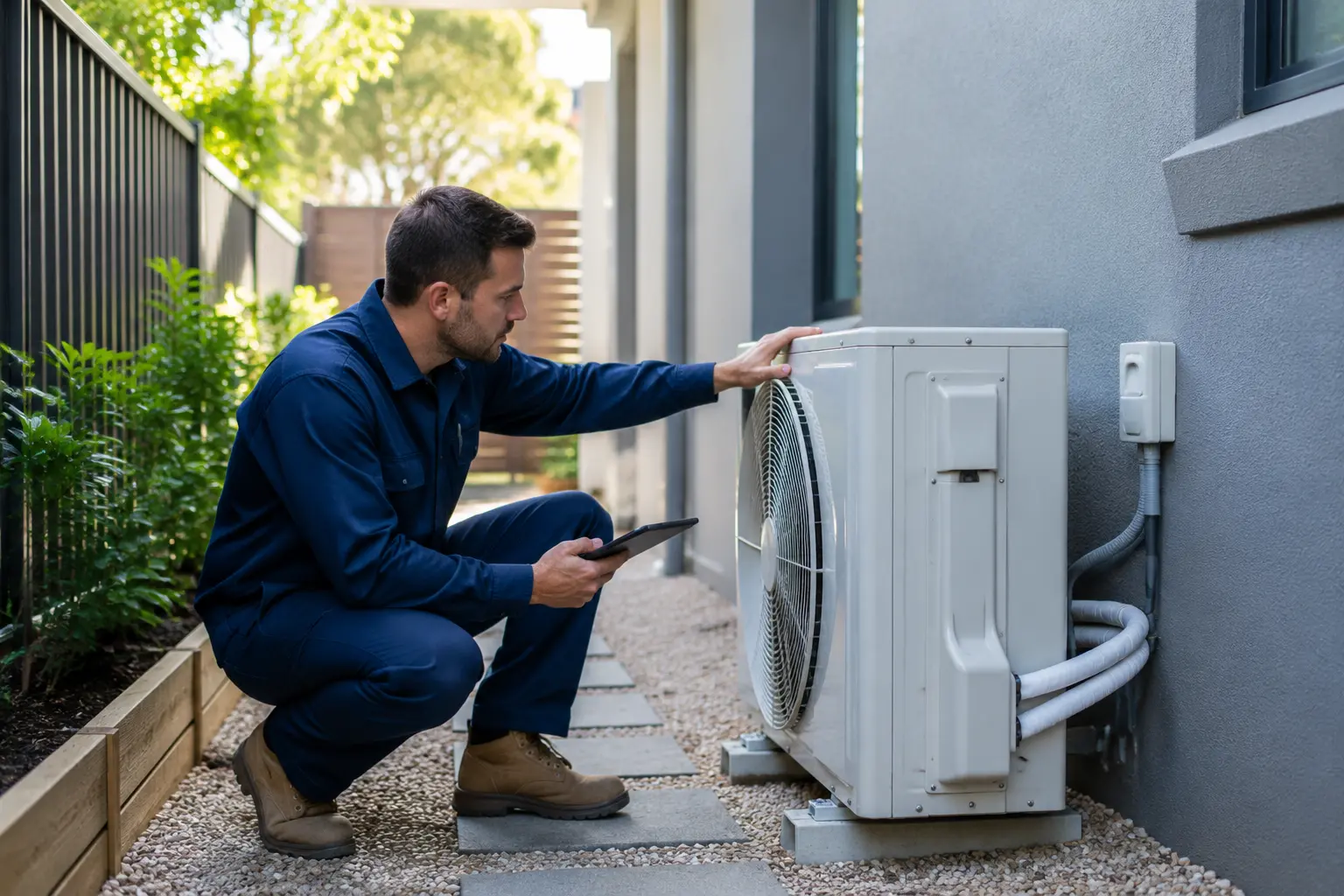
What Happens During a Professional Air Conditioning Site Inspection?
A professional air conditioning inspection checks your ceiling space, electrical …Read More »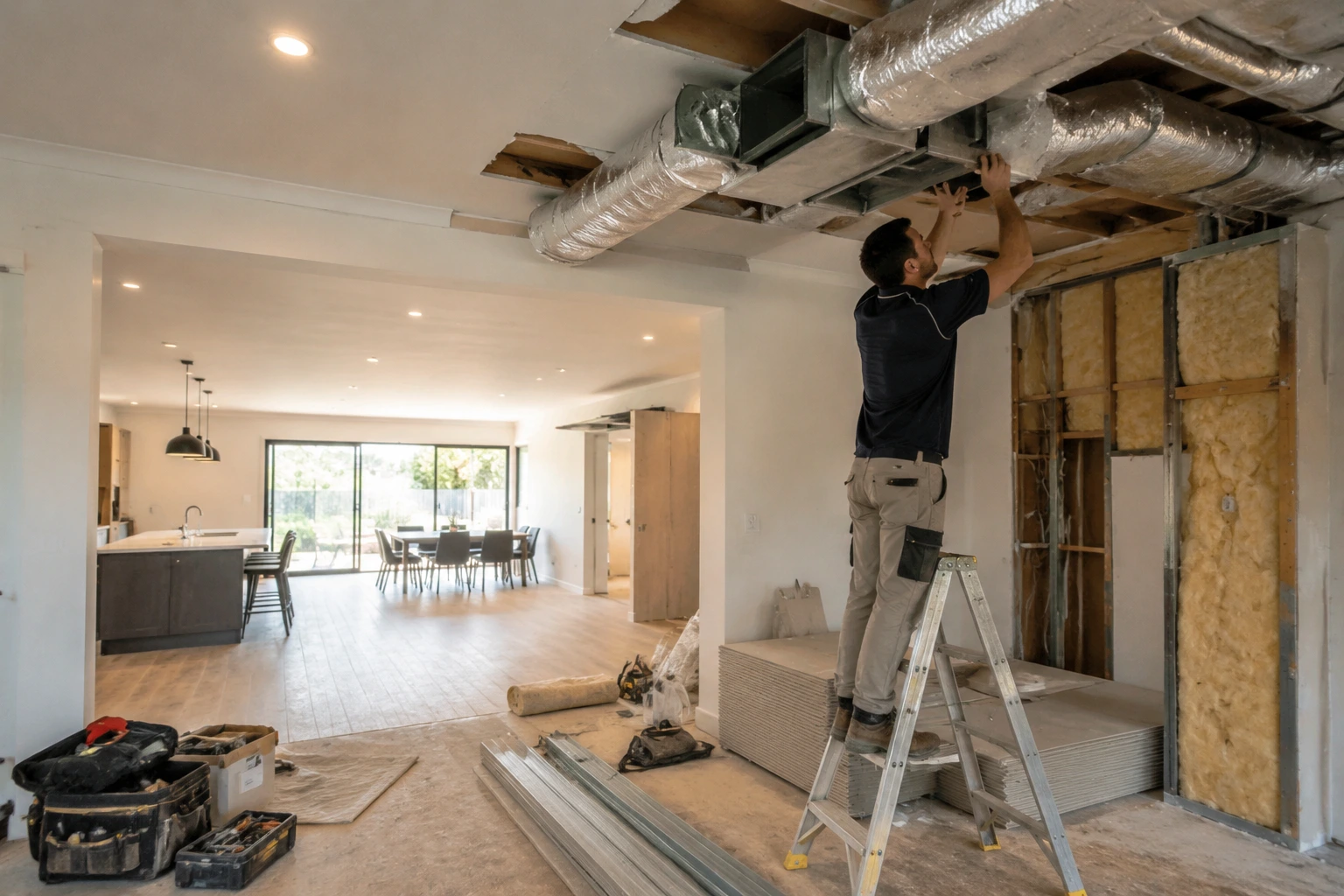
How Home Renovations Can Affect Your Existing Air Conditioning System
Home renovations add floor space, remove walls, and change insulation …Read More »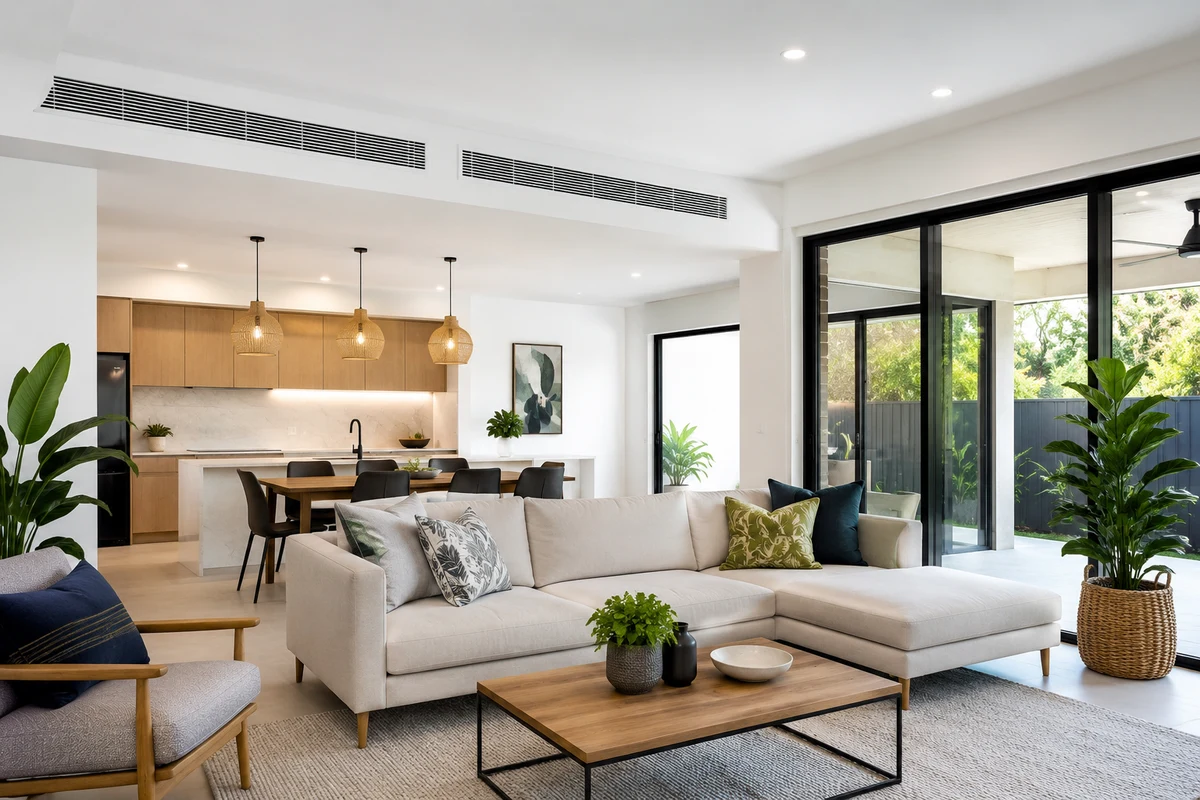
Why Ducted Air Conditioning Remains Popular in Modern Homes
Ducted air conditioning remains popular in modern homes because it …Read More »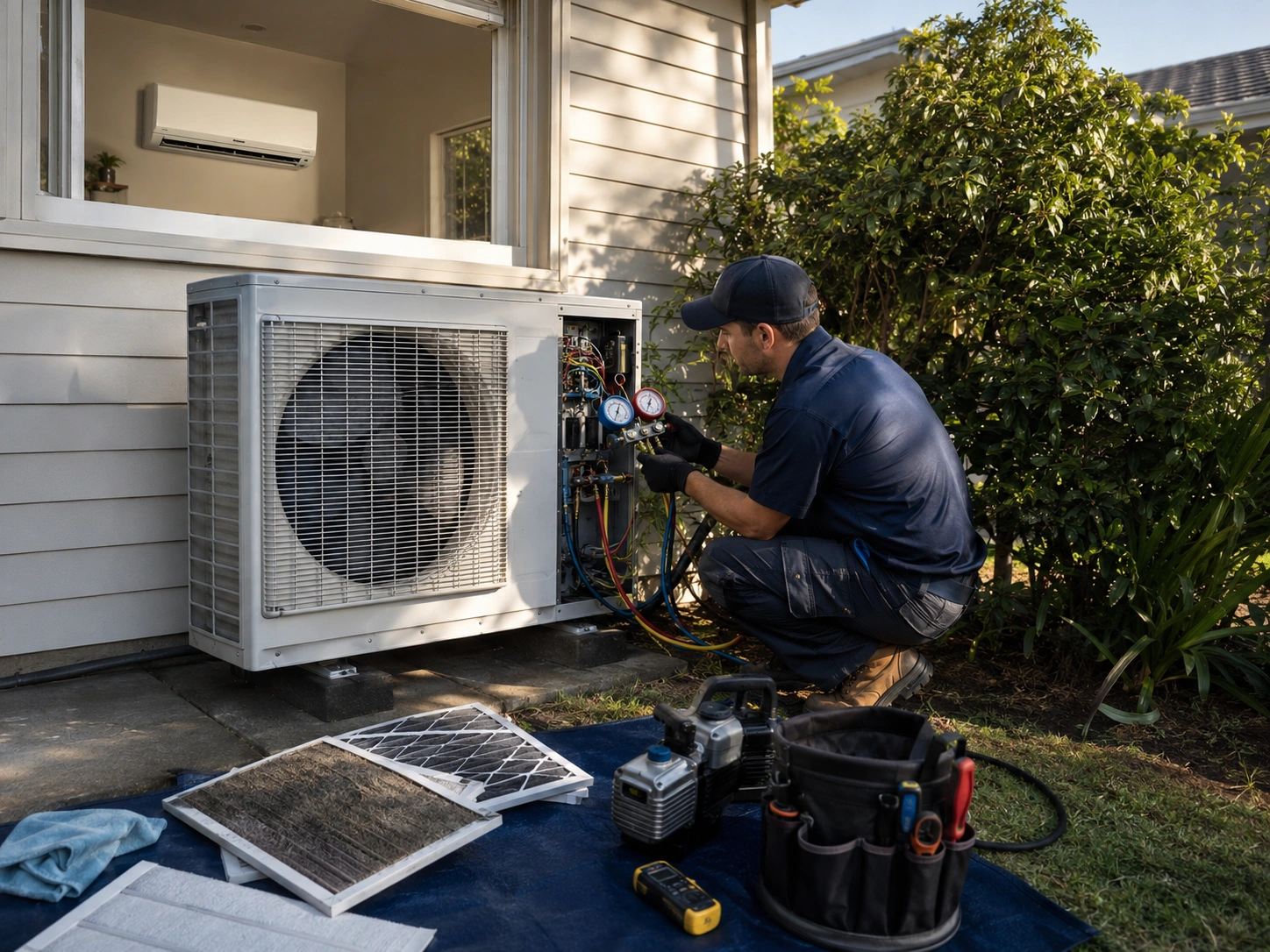
What Impacts Air Conditioning Efficiency More Than People Realise
Dirty filters, poor airflow, and small daily habits impact air …Read More »
